
A small amount of moisture inside a wall can create long-term problems before any visible damage appears. Many homeowners notice peeling paint or soft walls only after the issue has become expensive to repair. Understanding moisture damage in drywall helps you recognize hidden problems before they spread throughout your home.
Most moisture issues begin quietly. A slow plumbing leak, roof problem, or excess indoor humidity can affect drywall for weeks or even months. This guide explains how moisture affects drywall, the warning signs you should never ignore, and the steps you can take to protect your home from unnecessary repairs.
Drywall is made from gypsum covered with layers of paper. While it performs well in normal indoor conditions, it absorbs moisture easily. Water does not always leave obvious stains right away. Instead, it slowly weakens the material from the inside, making the wall less stable over time.
Many homeowners assume that walls are dry if they cannot see discoloration. In reality, hidden water damage often develops behind paint, wallpaper, or furniture. By the time visible damage appears, moisture may have already affected insulation, framing, and nearby drywall panels.
Another reason these problems remain unnoticed is that moisture usually spreads through enclosed spaces. Water can travel along framing, insulation, or pipes before reaching the drywall surface. This makes early detection more difficult without careful inspection.
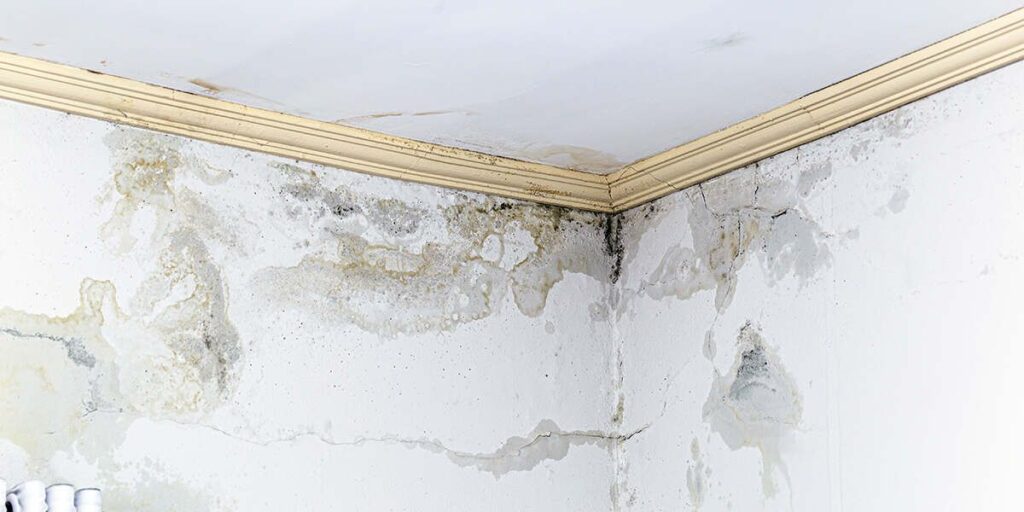
One of the most common causes of moisture behind walls is a slow plumbing leak. Even a tiny drip from a supply line can keep drywall damp for months. Since the leak stays hidden, homeowners often remain unaware until the wall begins to soften or discolor.
Roof leaks also contribute to moisture problems inside walls. Damaged shingles, flashing, or clogged gutters allow rainwater to enter the home. Water gradually moves downward through wall cavities, creating ideal conditions for drywall deterioration without immediate warning signs.
Poor ventilation is another overlooked cause. Bathrooms, kitchens, and laundry rooms generate high humidity every day. Without proper airflow, excess moisture stays trapped indoors, increasing the risk of humidity damage to drywall, especially near ceilings and exterior walls.
Foundation cracks and poorly sealed windows can also allow water to enter during heavy rainfall. While the amount of moisture may seem small, repeated exposure slowly affects drywall and other building materials over time.
Learning to recognize drywall water damage signs can help prevent larger repairs. One of the earliest indicators is paint that begins to bubble or separate from the wall. This happens because moisture weakens the bond between paint and drywall.
Another warning sign is drywall that feels slightly soft when pressed. Soft drywall from moisture often develops long before the wall starts breaking apart. Homeowners may also notice small nail pops, minor cracks, or uneven wall surfaces that seem unrelated at first.
Persistent musty odors can also point to hidden moisture. Even if the wall appears normal, trapped water creates conditions that encourage mold behind drywall. The smell often appears before visible mold becomes noticeable inside the room.
Some homes also develop small areas where paint begins peeling without an obvious reason. Although peeling paint due to moisture may seem cosmetic, it often signals moisture intrusion behind the finished surface. Addressing the source early can prevent larger structural repairs later.
Moisture that remains trapped inside drywall creates an environment where mold can grow. The paper surface on drywall provides an organic material that mold can feed on once it becomes damp. Over time, drywall mold growth can spread beyond the wall and affect indoor air quality, making early action a smart choice for homeowners.
As moisture continues to build, the drywall gradually loses its strength. The gypsum core begins to break down, causing the wall to sag, crumble, or separate from fasteners. These changes often occur before severe damage becomes visible, making routine inspections valuable after plumbing leaks or roof problems.
Moisture can also spread beyond the drywall itself. Wooden framing, insulation, trim, and flooring may absorb water if the source is not repaired. A small leak inside one wall can eventually affect several connected areas, increasing repair costs and extending the time needed for restoration.
Ignoring these warning signs can allow the problem to grow. What begins as a minor leak may result in damaged drywall, mold remediation, and replacement of surrounding materials. Addressing the moisture source first is always the most effective way to stop further deterioration.
Preventing moisture problems starts with regular home maintenance. Check plumbing fixtures, water supply lines, and appliance connections for slow leaks throughout the year. Repairing small issues quickly helps reduce the chance of long-term moisture exposure inside walls.
Proper ventilation also plays an important role in protecting drywall. Bathrooms, kitchens, and laundry rooms should have exhaust fans that remove humid air outside. Good airflow helps lower indoor humidity and reduces the risk of wall moisture problems developing in areas with frequent moisture.
Homeowners should also inspect the exterior of the home after heavy storms. Damaged roofing materials, cracked siding, and poorly sealed windows allow water to enter wall cavities. Fixing these issues early is one of the best ways to prevent moisture damage in walls before repairs become extensive.
If you notice water stains, musty odors, or soft spots, avoid covering them with fresh paint. Cosmetic repairs hide the symptoms but do not solve the underlying problem. Identifying and repairing the moisture source protects both the drywall and the structure behind it.
Some moisture problems remain hidden even after a careful visual inspection. If you suspect moisture damage in drywall but cannot identify the source, a professional inspection can help locate the affected area using specialized moisture detection equipment.
Professional assessment is also recommended after roof leaks, plumbing failures, or flooding. Even when drywall appears dry on the surface, moisture may remain trapped inside the wall cavity. Early detection helps reduce the risk of mold growth and prevents unnecessary replacement of unaffected materials.
Experienced drywall professionals can determine whether the drywall can be restored or should be replaced. They also evaluate nearby insulation and framing to ensure moisture has not spread beyond the visible area. A complete inspection provides homeowners with a clear repair plan and helps avoid repeated damage.
Hidden moisture rarely fixes itself. Small leaks and excess humidity can slowly weaken drywall without creating immediate warning signs, leaving homeowners with larger repair bills later. Knowing how moisture damage in drywall develops makes it easier to recognize early symptoms and protect your home before the damage spreads.
If you notice soft walls, peeling paint, musty odors, or other unusual changes, do not wait for the problem to become more severe. Contact Drywall Complete Services LLC for a professional evaluation and reliable drywall repair solutions that restore the safety, appearance, and durability of your home’s interior.

(734) 368-5568
info@drywallcompleteservices.com
1830 Carol Ann Ave, Ypsilanti, MI 48198