Common Wall Problems Found During Home Remodeling
Home remodeling projects often uncover problems hidden behind paint, wallpaper, or finished surfaces. What appeared to be a solid wall may reveal moisture damage, cracks, or loose materials once demolition begins. Identifying these common wall issues early helps homeowners avoid unexpected repair costs and keeps remodeling projects on schedule.Many wall defects develop slowly over several years. Small signs may remain unnoticed until cabinets, trim, or drywall are removed during renovation. Understanding what contractors commonly find allows homeowners to prepare for repairs before new finishes are installed.
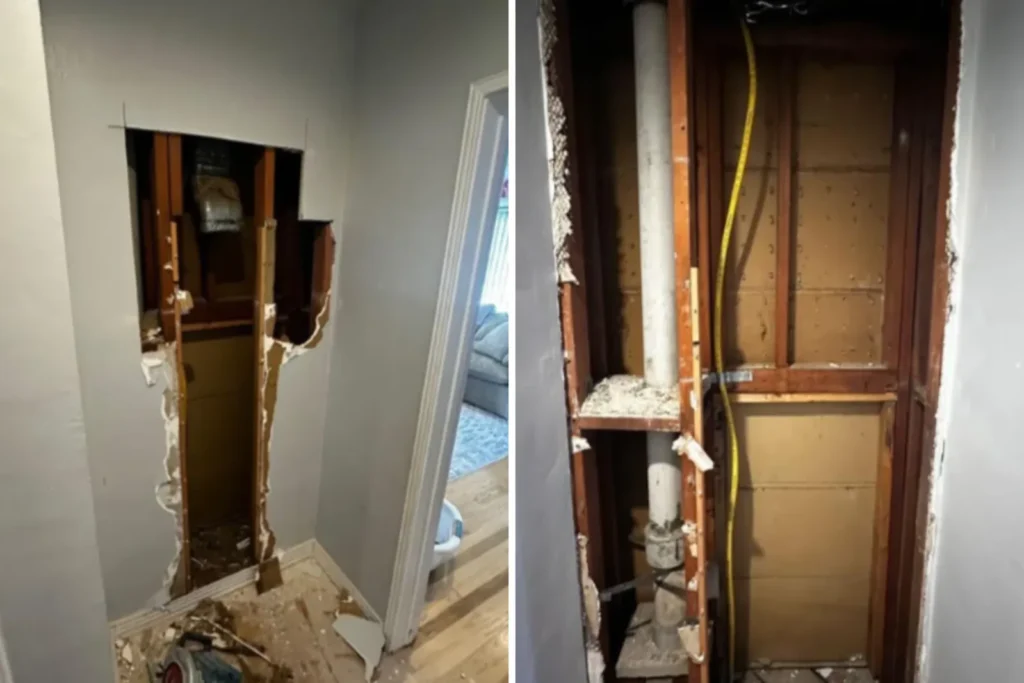
Walls often hide plumbing, wiring, insulation, and framing that remain unseen for decades. During remodeling, these areas become exposed for the first time, making it easier to identify wall problems during home remodeling that could affect the safety and durability of the finished project.
Older homes are especially likely to contain hidden defects. Previous repairs, aging building materials, and years of seasonal movement may leave walls with weaknesses that only become visible after surface coverings are removed. Addressing these issues before rebuilding creates a stronger finished result.
Renovation also provides an opportunity to inspect areas affected by moisture. Water stains hidden behind cabinets or wall coverings may indicate leaks that have damaged drywall, plaster, or wood framing. Repairing these conditions before installing new materials helps prevent future problems.
One of the most common discoveries is cracking. Small settlement cracks may be harmless, while wider or expanding cracks can point to movement within the structure. Wall damage in older homes frequently includes stress cracks that have developed over many years of seasonal expansion and settling.
Moisture damage is another issue found during remodeling. Plumbing leaks, roof problems, or poor ventilation may create water damaged walls that weaken drywall or plaster from the inside. These problems often remain hidden until cabinets, insulation, or wall coverings are removed.
Uneven wall surfaces are also common. Previous patchwork, aging plaster, or poor finishing techniques can leave walls with noticeable imperfections. While these flaws may seem cosmetic, they often become more visible after new paint, tile, or trim is installed.
Contractors also find damaged drywall caused by furniture impacts, previous renovations, or everyday wear. Small holes, dents, and weakened sections should be repaired before new finishes are applied. Proper drywall damage repair creates a smoother surface and improves the appearance of the completed remodeling project.
Some wall conditions deserve immediate inspection before remodeling continues. Large cracks that continue growing may indicate structural wall problems rather than normal settling. These issues should be evaluated before installing new drywall, flooring, or cabinetry.
Bulging walls or loose plaster may signal hidden moisture or deteriorating wall materials. Homeowners should also pay attention to peeling paint, persistent damp spots, or mold growth. These warning signs often point to conditions that require repair before cosmetic improvements begin.
Another concern is repeated cracking around doors and windows. These areas experience additional stress as the building naturally moves over time. If cracks continue returning after previous repairs, further investigation may be necessary to identify the underlying cause.
Visible gaps between walls, ceilings, or trim can also suggest movement within the structure. While not every gap indicates serious damage, inspecting these areas before remodeling helps prevent future repair work after the project is complete.
Repairing damaged walls before installing new finishes saves both time and money. New paint, flooring, cabinets, or trim cannot hide serious defects beneath the surface. Completing wall repair before remodeling creates a stable foundation that supports every stage of the renovation project.
Moisture should always be addressed before cosmetic work begins. Damp framing, insulation, or drywall can continue deteriorating if leaks remain active. Correcting the source of the problem protects new materials from future damage and reduces the risk of mold developing inside finished walls.
Older homes often contain a combination of plaster and drywall repairs completed over many years. Inspecting these areas carefully helps identify weak spots before new finishes are installed. Replacing damaged materials at this stage is usually easier and more cost effective than making repairs after the renovation is complete.
A detailed wall inspection before renovation also helps contractors plan the project more accurately. Identifying hidden defects early reduces unexpected delays and allows homeowners to budget for repairs before construction progresses.
Some wall defects can be repaired with simple patching, but larger problems require professional evaluation. Extensive cracks, moisture damage, or loose plaster often indicate conditions that extend beyond the visible surface. Proper inspection helps determine whether repairs involve drywall, framing, insulation, or structural components.
Professionals use specialized tools to detect hidden moisture, evaluate wall stability, and identify damaged materials that are not immediately visible. This approach provides a more complete understanding of the problem and prevents repeated repairs after remodeling has already been completed.
Homes with significant plaster wall problems or widespread drywall damage benefit from experienced repair services. Correct installation methods, quality materials, and proper finishing techniques help create smooth walls that remain durable for years after the renovation.
Working with qualified wall repair specialists also improves the overall appearance of the remodeling project. Straight, stable walls provide a better surface for paint, tile, trim, and cabinetry, helping homeowners achieve long-lasting results.
remodeling me offers an ideal opportunity to identify and repair hidden wall damage before new materials are installed. Addressing common wall issues early reduces unexpected expenses, prevents future repairs, and helps create a stronger, more durable home.
If your remodeling project reveals cracks, moisture damage, uneven surfaces, or deteriorating plaster, professional repairs can protect your investment. Contact Drywall Complete Services LLC for expert wall inspections and reliable repair services that prepare your home for a successful renovation.

(734) 368-5568
info@drywallcompleteservices.com
1830 Carol Ann Ave, Ypsilanti, MI 48198