
What Causes Plaster to Separate From the Wall?
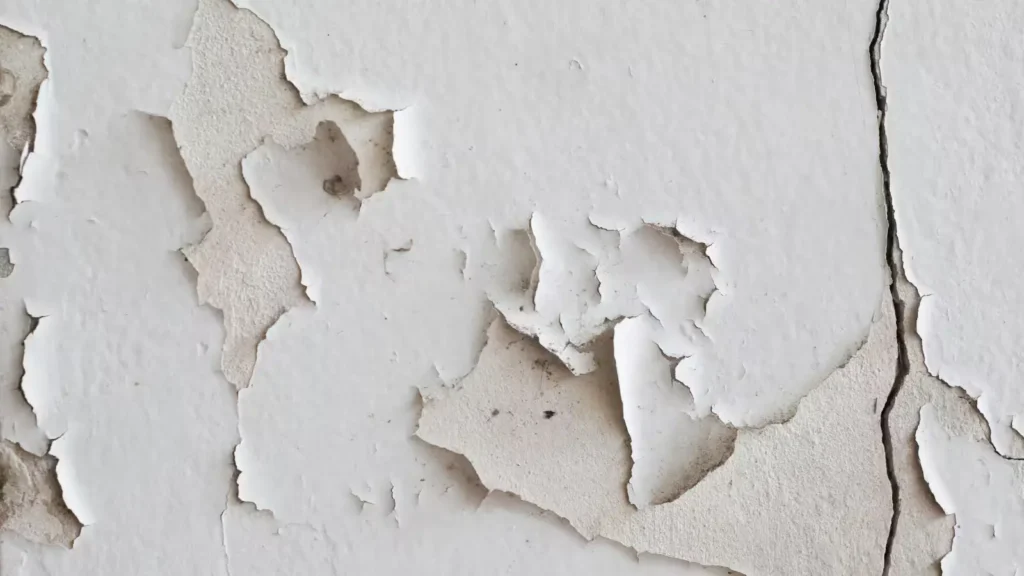
Plaster walls are known for their durability, but they can develop problems as a home ages. One of the most common concerns homeowners face is plaster separating from wall surfaces without realizing what caused it. The issue often begins gradually and becomes more noticeable as cracks, gaps, or loose sections appear.
Understanding why plaster fails helps homeowners respond before repairs become more extensive. This guide explains the leading causes of plaster separation, the warning signs to watch for, and the best ways to prevent further damage while protecting the appearance and structure of your home.
Plaster depends on a strong bond with the surface behind it. As buildings age, that bond can weaken because of movement, moisture, or natural wear. Over time, plaster coming away from wall surfaces may create hollow spots, visible cracks, or sections that feel loose when lightly pressed.
In many older homes, plaster is attached to wood lath using small plaster keys. As these keys break over time, the plaster loses its support and begins separating from the wall. This process often happens slowly, making it difficult to notice until visible damage develops.
Movement within the home also affects plaster. Seasonal expansion, shrinking materials, and small structural shifts place stress on rigid plaster surfaces. These repeated changes increase the chance of plaster pulling away from wall areas, especially around doors, windows, and ceiling joints.
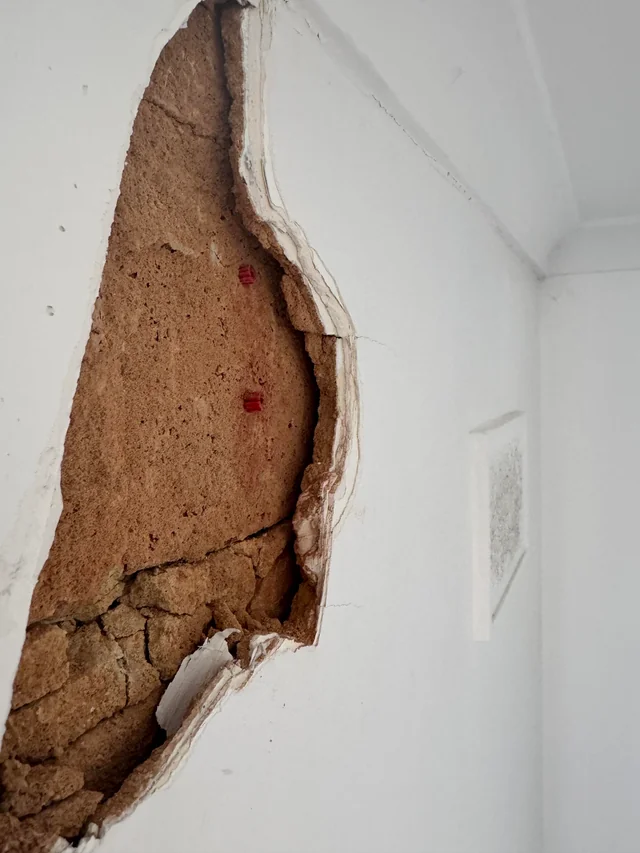
One of the leading plaster wall damage causes is moisture. Plumbing leaks, roof damage, and poor drainage allow water to enter walls, weakening the plaster over time. As moisture remains trapped, the bond between plaster and the wall surface gradually begins to fail.
Persistent dampness may also result in water damaged plaster that softens, stains, or develops bubbling surfaces. In severe cases, moisture creates conditions where plaster begins separating in larger sections instead of isolated cracks.
Older homes naturally experience wear after decades of seasonal movement. Repeated expansion and contraction place stress on plaster, increasing the risk of wall plaster cracking. Although some minor cracking is expected with age, larger cracks often indicate that additional inspection is needed.
Structural movement can also contribute to plaster failure. Foundation settlement, shifting framing, or changes in load distribution may create pressure that weakens plaster attachment. These conditions often produce cracks that continue growing unless the underlying issue is corrected.
Poor workmanship during previous repairs may create future problems as well. Using incompatible repair materials or failing to prepare the surface correctly reduces adhesion, making the repaired area more likely to separate over time.
The earliest warning signs are often easy to overlook. Small cracks near ceilings, windows, or corners may seem harmless, but they sometimes indicate that plaster detaching from wall surfaces has already started beneath the finish.
Another common symptom is a hollow sound when gently tapping the wall. Hollow sounding plaster usually means the material has lost contact with the surface behind it. Even if the plaster still appears intact, separation may continue spreading underneath.
Homeowners should also watch for bubbling finishes, loose edges, or sections that move slightly when pressure is applied. These signs often point to plaster adhesion problems rather than simple cosmetic damage.
Paint that peels without an obvious reason may also signal hidden moisture or plaster deterioration. If the affected area continues expanding, the wall should be inspected before larger sections become unstable or begin falling away.
Preventing additional damage begins with identifying the source of the problem. If moisture is causing the plaster to loosen, repairing the leak should come before any cosmetic work. Fixing only the visible damage often results in the same issue returning because the underlying cause remains unresolved.
Regular home inspections help homeowners catch problems early. Check walls and ceilings for new cracks, soft areas, or stains after heavy rain or plumbing repairs. Addressing these warning signs quickly can reduce the need for extensive loose plaster repair and help preserve the original wall surface.
Maintaining consistent indoor humidity also protects plaster. Excess moisture causes building materials to expand, while very dry conditions can lead to shrinkage. Stable indoor conditions reduce stress on plaster and lower the risk of humidity damage to plaster throughout the year.
Older plaster walls also benefit from routine maintenance. Repairing small cracks, repainting damaged areas, and monitoring changes over time help prevent minor issues from becoming larger restoration projects. Simple maintenance often extends the life of plaster without requiring complete replacement.
Some plaster damage is beyond the scope of simple patching. Large loose sections, deep cracks, or repeated separation usually indicate that the wall requires a professional inspection. An experienced contractor can determine whether the plaster can be stabilized or if replacement is the better option.
Professionals inspect more than the visible surface. They evaluate moisture levels, structural movement, and the condition of the wall behind the plaster. This process helps identify hidden issues that continue causing damage even after cosmetic repairs are completed.
Homes with extensive cracked plaster walls, ceiling separation, or signs of structural movement often require specialized repair techniques. Professional restoration helps preserve the wall’s strength while creating a smooth finish that blends with the surrounding surface.Choosing experienced plaster repair specialists also improves long-term results. Proper surface preparation, compatible repair materials, and careful finishing reduce the chance of future separation while restoring the appearance of older plaster walls.
Plaster walls can remain strong for many decades, but age, moisture, and structural movement eventually affect their performance. Understanding the causes of plaster separating from wall surfaces allows homeowners to identify problems early and take the right steps before repairs become more expensive.If you notice hollow spots, growing cracks, or loose plaster, do not ignore the warning signs. Contact Drywall Complete Services LLC for a professional evaluation and dependable plaster repair services. Early repairs help protect your home’s walls, improve safety, and preserve the character of your interior spaces.

(734) 368-5568
info@drywallcompleteservices.com
1830 Carol Ann Ave, Ypsilanti, MI 48198