Why Does Drywall Keep Cracking After Repairs? Causes and Solutions
Repairing a crack in drywall should solve the problem, but that is not always what happens. Many homeowners notice the same crack returning a few months after it was patched. In most cases, the repair is not the real issue. The wall is reacting to movement, moisture, or installation problems that were never corrected.
Understanding why cracks return helps homeowners avoid repeated repairs and unnecessary costs. This guide explains the most common reasons behind drywall crack repair failure, how to recognize early warning signs, and what steps can provide a longer-lasting solution.
A repaired crack usually comes back because the original cause is still affecting the wall. Filling the surface without addressing structural movement or environmental conditions only hides the symptom. As the wall continues to shift, the repaired area experiences stress and eventually opens again.
Many homeowners believe all wall cracks are cosmetic. While some hairline drywall cracks develop from normal settling, others point to larger concerns that require attention. Identifying the reason behind the crack is the first step toward a repair that lasts.
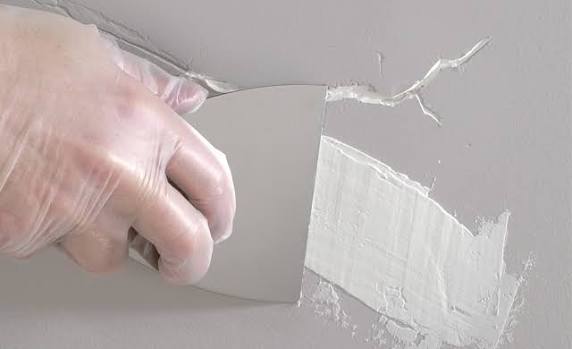
Another common reason is using the wrong repair materials or techniques. If joint compound is applied too thickly, dries too quickly, or is not reinforced with tape where needed, the repair becomes weak and may crack under normal movement.
One of the leading causes of recurring drywall cracks is natural settling. As a home ages, framing materials expand, contract, and adjust to changing conditions. Small movements are expected, but they can place stress on drywall joints and repaired areas over time.
Seasonal weather also affects drywall. Temperature changes and humidity cause wood framing to expand and shrink throughout the year. These repeated cycles increase pressure on drywall seams, making repaired cracks more likely to return if the wall cannot move evenly.
Poor installation is another factor. Improper fastening, weak framing support, or incorrect finishing methods may lead to drywall seam cracks that continue appearing even after cosmetic repairs. When the original installation contains defects, patching alone rarely provides a permanent fix.
Foundation movement can create more noticeable cracking. Even minor shifts in a home’s foundation change how walls and ceilings carry weight. These movements often produce cracks near windows, doors, and ceiling joints, where stress naturally concentrates.
Not every crack requires immediate concern, but certain patterns deserve closer attention. If drywall cracks keep coming back in the same location after multiple repairs, there is likely an underlying issue that should be investigated instead of repeatedly patched.
Cracks that continue growing in length or width may indicate movement beyond normal settling. Homeowners should also watch for doors that stick, windows that no longer close properly, or uneven flooring. These symptoms sometimes occur alongside drywall cracking and may suggest structural changes within the home.
Another warning sign is drywall tape cracking along joints. Tape that lifts, separates, or creates visible ridges often points to movement or improper finishing during installation. In these situations, replacing the damaged section usually produces better results than applying another thin layer of compound.
Pay attention to cracks that appear after water damage or prolonged humidity. Moisture weakens drywall and affects joint compound, increasing the chance of repair failure. Addressing the moisture source before making cosmetic repairs helps prevent the problem from returning.
A lasting repair starts with identifying the real cause of the crack. If the damage results from foundation movement, excess humidity, or framing shifts, those issues should be addressed before repairing the drywall. Covering the crack without fixing the source often leads to another drywall repair failure within a short time.
Using the proper repair method also improves durability. Deep or moving cracks usually require reinforcing tape and fresh joint compound rather than a simple layer of filler. Allowing each coat to dry completely before sanding and finishing creates a stronger repair that is less likely to crack again.
Choosing quality materials makes a noticeable difference. Low-grade compounds or poorly applied tape can lead to drywall mud cracking or weak joints that fail under normal movement. Professional-grade materials and careful workmanship help the repaired area blend with the surrounding wall while improving long-term performance.
Maintaining stable indoor humidity also protects drywall. Large swings in temperature and moisture cause framing materials to expand and contract, placing stress on wall joints. Keeping humidity at recommended levels helps reduce seasonal movement and supports the life of previous repairs.
Some cracks are simple cosmetic issues, but others require a closer inspection. If repairs continue failing or cracks spread to nearby walls and ceilings, professional evaluation can identify hidden problems that are not visible on the surface.
Professionals inspect more than the damaged area. They evaluate framing, moisture levels, drywall joints, and previous repair work to determine why the crack returned. This complete approach helps homeowners avoid repeated patching that only treats the visible symptom.
Homes with extensive drywall joint cracks, ceiling separation, or signs of structural movement often benefit from professional repairs. Experienced technicians know how to repair damaged sections while correcting installation or finishing problems that contribute to future cracking.
Working with an experienced drywall contractor also provides a cleaner finish. Proper taping, sanding, and finishing techniques reduce the chance of visible seams and create a surface that is ready for painting. A well-executed repair restores both appearance and durability.
Drywall cracks that return after repairs usually point to an underlying problem rather than a failed patch alone. Understanding the causes, whether they involve normal settling, moisture, installation issues, or structural movement, helps homeowners make informed repair decisions instead of repeating temporary fixes.

(734) 368-5568
info@drywallcompleteservices.com
1830 Carol Ann Ave, Ypsilanti, MI 48198