
Water damaged drywall does not always look ruined right away. Sometimes it dries and looks fine on the surface while problems build up inside the wall. This guide explains what happens when drywall gets wet, the signs of water damaged drywall to watch for, and when a homeowner should call for repair.
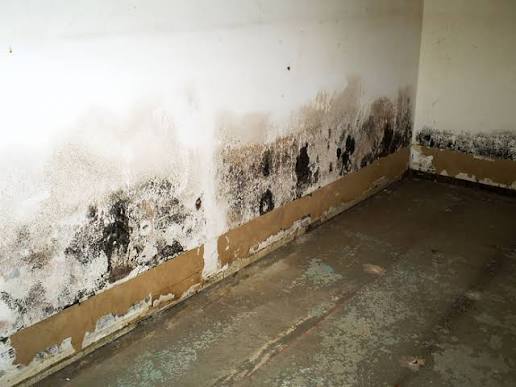
A wall that looks fine after a leak is not always fine. Once drywall gets wet, the paper facing and gypsum core absorb moisture almost right away, and drying the surface does not undo that damage. Many homeowners assume a dry wall means a safe wall, but that is rarely the full story.
This guide walks through what really happens inside a wall after water exposure, how to spot signs of water damaged drywall, and when professional wet drywall repair becomes necessary instead of a simple touch up.
Drywall is made from gypsum pressed between sheets of paper, and neither material handles moisture well. The paper acts like a sponge, pulling water deeper into the panel instead of blocking it. Once soaked, the gypsum core starts to break down, losing the strength that keeps the wall rigid and stable.
This is why even a small roof leak or a slow plumbing drip can cause more damage than expected. Wall moisture spreads sideways and upward through the paper fibers, often reaching areas far from the original source before anyone notices a stain.
As soon as drywall gets wet, the paper layer darkens and softens, and the panel begins losing its shape. Within a day or two, you may notice swollen drywall, bubbling paint, or a slight sagging texture along the wet area. These early changes are your first real warning sign.
Water does not stay in one spot. It travels along studs, insulation, and paper seams, sometimes soaking a much larger section than the visible wet patch. This is why professionals check well beyond the stained area during a drywall inspection, since hidden water damage often extends past what the eye can see.
Not always. Drywall can appear completely dry on the outside while the gypsum core remains weakened underneath. This is one of the most common misunderstandings homeowners have after a leak. Drywall gets wet and dries several times before anyone realizes the wall itself has lost its structural integrity.
A few clues tend to show up even after a wall looks dry again. Watch for water stains on drywall that keep reappearing, drywall soft spots when pressed gently, drywall crumbling near baseboards, or a musty smell that lingers in the room. Any of these point to damage that dried, not damage that healed.
Drywall mold after water damage is one of the biggest concerns for homeowners, since mold spores can begin growing within 24 to 48 hours of exposure. Because moisture often hides behind paint or wallpaper, mold growth in drywall can spread for weeks before it becomes visible or produces a noticeable odor.
If mold is suspected, mold remediation should happen before any cosmetic repairs. Painting over a wall with active mold growth only traps the problem and allows it to keep spreading through the wall cavity.
Drywall water damage usually traces back to a handful of common sources around the home. A roof leak during heavy rain is one of the most frequent causes, especially in ceiling drywall water damage cases. Plumbing leaks inside walls, overflowing appliances, poor exterior drainage, and high indoor humidity damage are other regular culprits homeowners run into.
Damp walls near bathrooms, kitchens, and basements deserve extra attention, since these rooms already deal with higher moisture levels day to day.
Once the source of water is fixed, the drywall drying process can begin. This usually involves industrial fans for drying walls, dehumidifiers, and moisture meters to track progress accurately. Drying equipment needs to run for several days in most cases, not just a few hours, to pull moisture out of the studs and insulation behind the panel.
Skipping this step or drying too quickly often leaves moisture trapped inside the wall, setting the stage for mold and further deterioration later.
Minor water exposure with no swelling, staining, or odor can sometimes be dried and repainted. But once soaked drywall shows softness, sagging, or a persistent smell, repair alone will not solve the underlying problem, and replacing wet drywall becomes the safer option.
Waiting too long to make this decision usually raises the drywall replacement cost, since untreated moisture can spread to framing, insulation, and neighboring wall sections.
A proper drywall repair after leak typically follows a clear sequence. First, the moisture source gets fixed so the wall is not exposed to ongoing water. Next, damaged sections are cut out and removed, followed by drying the surrounding studs and cavity completely before any new material goes in.
New drywall is then installed, taped, and finished to match the surrounding wall. This wet wall repair process protects against future mold growth far better than simply patching over a damaged section.
Regular roof and plumbing checks go a long way toward avoiding repeat water damage. Fixing small leaks quickly, monitoring humidity indoors, and scheduling a drywall inspection after any major storm can catch problems before they turn into a bigger repair project.
Homeowners who stay ahead of small moisture issues typically avoid the larger structural damage that comes from water sitting untreated inside a wall for weeks or months.
Not always. Drywall exposed briefly and dried quickly with no swelling or odor can sometimes be saved. Drywall that stays wet for more than 24 to 48 hours usually needs replacement due to mold risk and weakened material.
With proper fans and dehumidifiers, drying usually takes three to five days. Without equipment, drying takes longer and increases the chance of mold growth in drywall and surrounding framing.
Painting over a water stain without addressing the source or checking for mold only hides the problem temporarily. The stain and any underlying damage typically return once moisture builds up again.

(734) 368-5568
info@drywallcompleteservices.com
1830 Carol Ann Ave, Ypsilanti, MI 48198